

The healthcare workforce challenge is becoming a leadership crisis
Today, many healthcare leaders are simply trying to keep their workforce afloat.
Across Australia, healthcare businesses are navigating rising burnout, workforce shortages, escalating compliance pressures and rapidly changing employee expectations. Add AI, economic uncertainty and increasing patient demand into the mix, and leadership pressure has intensified dramatically.
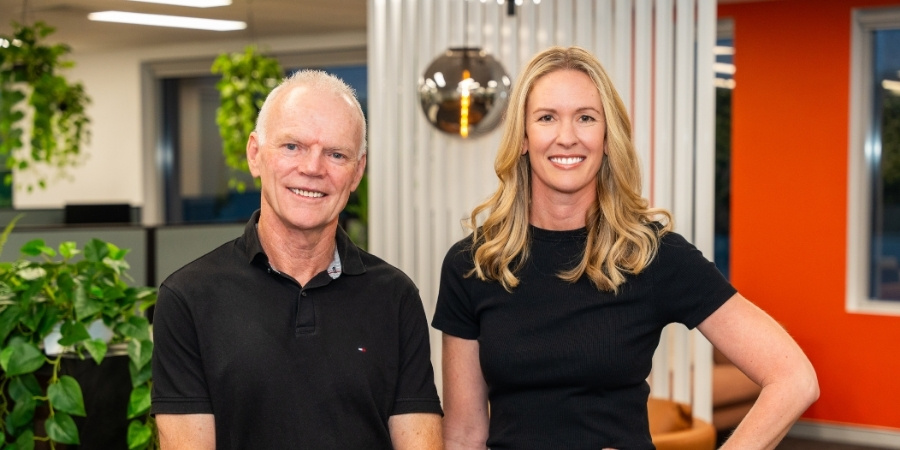
For International HR Day, Veri Health spoke with We Are HR Co-Founders Leanne Clavan and Grant Barrow about what’s really happening behind the scenes in healthcare leadership and why strategic HR is becoming one of the most important business functions in modern healthcare.
Five years ago, healthcare businesses were busy. Today, they’re battling a perfect storm,” Grant says.
“Staff are much harder to find and even harder to keep. Burnout is through the roof. A big wave of experienced workers are retiring, while younger team members expect real flexibility and genuine support, and they’ll leave quickly if they don’t get it.”
Leanne says the pressure is hitting healthcare leaders from every direction at once.
We’re dealing with constant regulatory changes, rising costs, shifting client expectations and the rapid rise of AI, which is really uncharted territory,” she explains.
“A lot of leaders we speak to feel like they’re doing the work of three people while trying to hold their teams together. The pressure is genuinely intense right now.”
Why healthcare businesses struggle during growth
Growth sounds exciting on paper, but inside many healthcare organisations, expansion can quickly expose weaknesses in leadership, communication and workforce systems.
According to Grant, one of the most common mistakes healthcare businesses make during periods of growth or transformation is failing to bring their people along for the journey.
The biggest single mistake most healthcare businesses make when they change or expand is that they forget to communicate with their people,” he says.
“There is often a big disconnect between business leaders who see great opportunity with an expansion and staff who are terrified of change and can’t see anything in it for them other than extra work.”
Successful change, he says, comes down to understanding the employee perspective.
“Leaders need to consider the ‘what’s in it for me?’ factor from the staff perspective and lean into it throughout.”
That communication gap becomes even more dangerous when organisations grow faster than their leadership capability or internal systems can support.
Rapid business growth can feel amazing, but it can start breaking your business from the inside,” Grant explains.
“Too often we see business growth being added to an already busy leader’s workload. They end up working longer and longer hours and get stretched too thin, particularly when it comes to leadership and people management.”

The businesses getting it right
While many organisations struggle during expansion, others are proving that sustainable growth is possible when workforce strategy is prioritised early.
Leanne shared the story of a healthcare business facing a critical crossroads stemming from market pressure: they needed to either grow or perish.
“They chose to grow and nailed it,” she says.
Growth first came in the way of building a large new facility, and the turning point came when the business owner recognised that building the workforce would be just as important as constructing the new facility itself.
Instead of treating HR as an administrative afterthought, the business embedded workforce strategy into the project from day one.
We created a flexible people plan that could adapt quickly as the project progressed,” Grant says.
“Over a staged two-year period, we were in the marketplace recruiting critical roles, adjusting timelines and preparing the workforce to meet anticipated demand.”
The result was a healthcare facility that successfully launched on time with a strong, engaged workforce already in place.
Why HR needs a seat at the leadership table
For many healthcare organisations, HR still sits outside strategic decision-making. But according to We Are HR, that model is becoming increasingly risky in today’s environment.
In healthcare, your people are your product,” Grant says.
“It still amazes us how many businesses operate without any real HR expertise at the leadership table.”
He argues that healthcare leaders would never ask HR professionals to make clinical decisions, yet many businesses still expect clinicians or operational leaders to navigate complex workforce strategy without specialist support.
“Your people are both your biggest cost and your biggest opportunity.”
Leanne believes the future belongs to organisations that integrate clinical, financial and workforce expertise together at leadership level.
Strategic HR looks at business growth, profitability, culture and risk through a completely different lens than the CEO, CFO or clinical leads,” she says.
“That lens adds genuine value.”
And in an industry where workforce sustainability is rapidly becoming one of healthcare’s greatest business risks, that value may soon become indispensable.


Why housing affordability is becoming a healthcare workforce issue